When temperatures drop, your feet are often the first to suffer. Poor circulation, inadequate insulation, and moisture combine to create cold, numb, and painful feet. But winter foot care doesn't have to be complicated. With the right products and habits, you can keep your feet warm and comfortable in any weather.
Why Cold Feet Are a Problem
Cold feet aren't just uncomfortable — they can lead to real health issues:
- Frostnip and frostbite — Prolonged cold exposure can freeze skin tissue, starting with the extremities.
- Chilblains — Painful inflammation caused by rapid warming of cold skin.
- Reduced circulation — Cold causes blood vessels to constrict, reducing blood flow to extremities.
- Immune suppression — Cold feet can lower your overall body temperature, making you more susceptible to illness.
Heated Insoles: The Game Changer
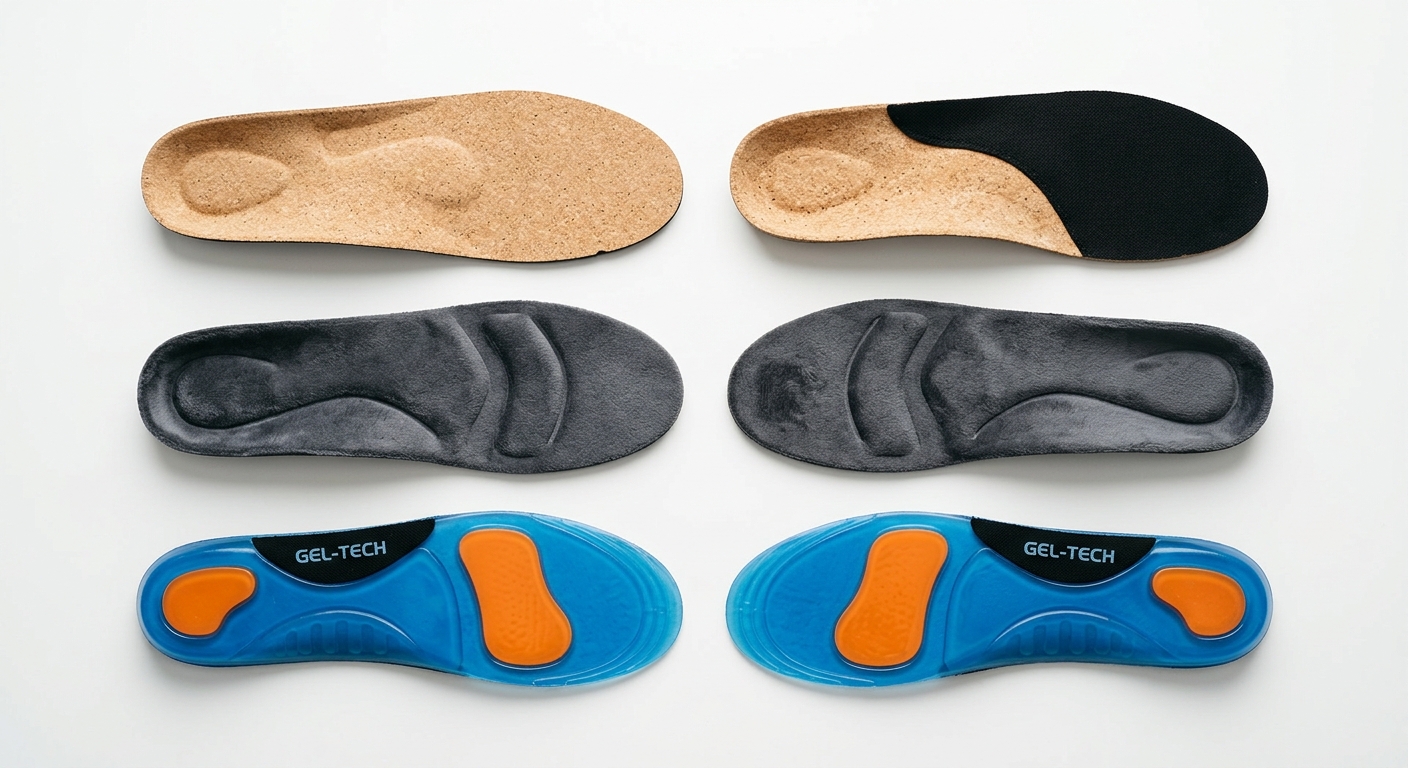
Heated insoles are rechargeable inserts that provide active warmth to your feet. Unlike passive insulation, they generate heat, maintaining a consistent temperature regardless of external conditions.
How They Work
Heated insoles contain a thin heating element powered by a rechargeable battery. Most models offer multiple heat settings (low, medium, high) and run for 4–8 hours per charge. The battery connects via a thin wire that routes along the inside of your boot.
What to Look For
- Battery life — Look for at least 5 hours on medium setting.
- Heat settings — Multiple levels let you adjust for activity and temperature.
- Trim-to-fit — Most heated insoles can be trimmed to your shoe size.
- Charging method — USB charging is the most convenient.
- Thickness — Thinner insoles fit more shoe types without making them tight.
Heated insoles aren't just for extreme cold. Even at 30–40°F, maintaining warm feet improves circulation and comfort dramatically. If you work outdoors or commute in winter, they're worth every penny.
Layering for Warmth
Beyond heated insoles, proper layering is key to winter foot comfort:
Base Layer: Moisture-Wicking Socks
Start with a thin, moisture-wicking sock. Merino wool is ideal — it pulls sweat away from your skin while maintaining insulation even when damp. Avoid cotton, which holds moisture and makes feet colder.
Insulation Layer: Fleece or Wool
Over your base layer, add a fleece or wool sock for insulation. Fleece insoles can also be added inside your boots for extra warmth from below. The combination of heated insoles and fleece creates a warm microclimate around your feet.
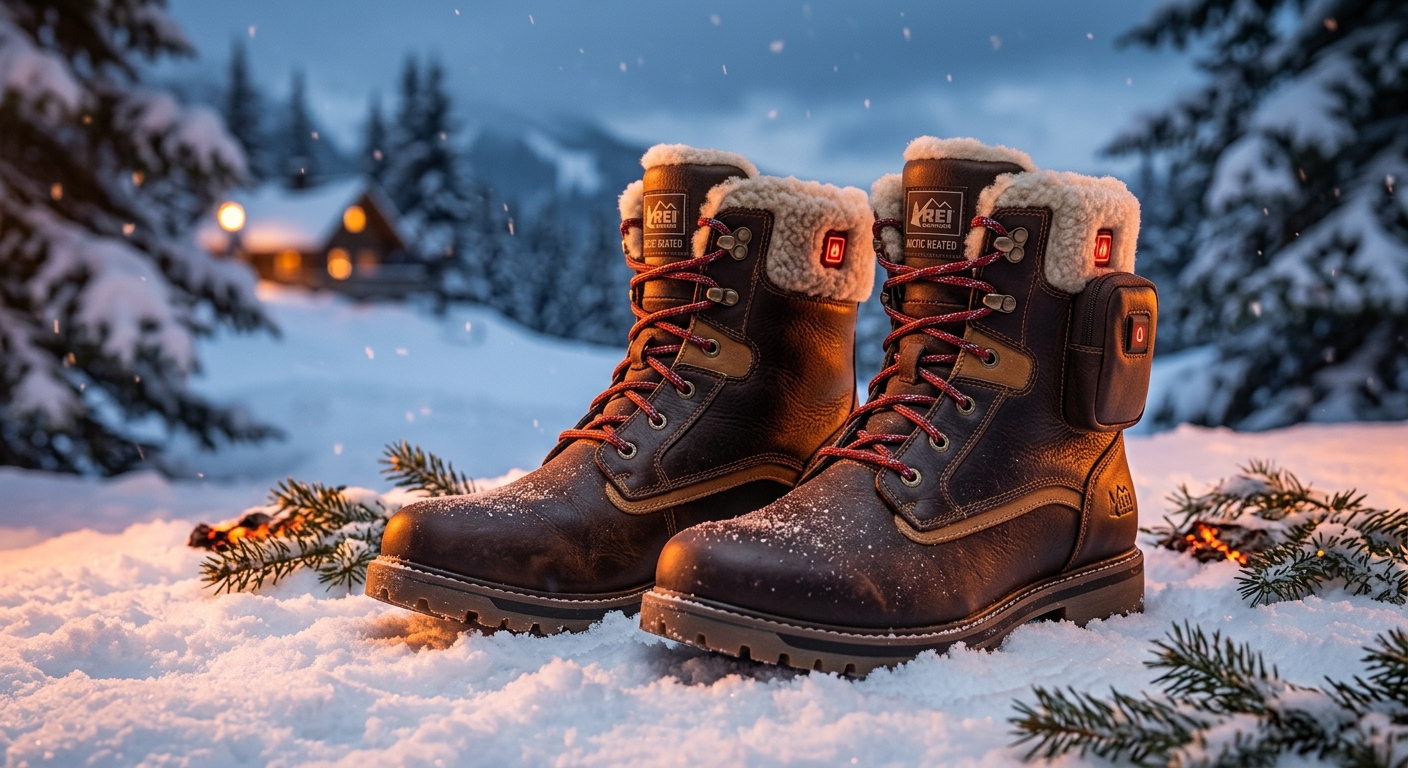
Outer Layer: Waterproof Boots
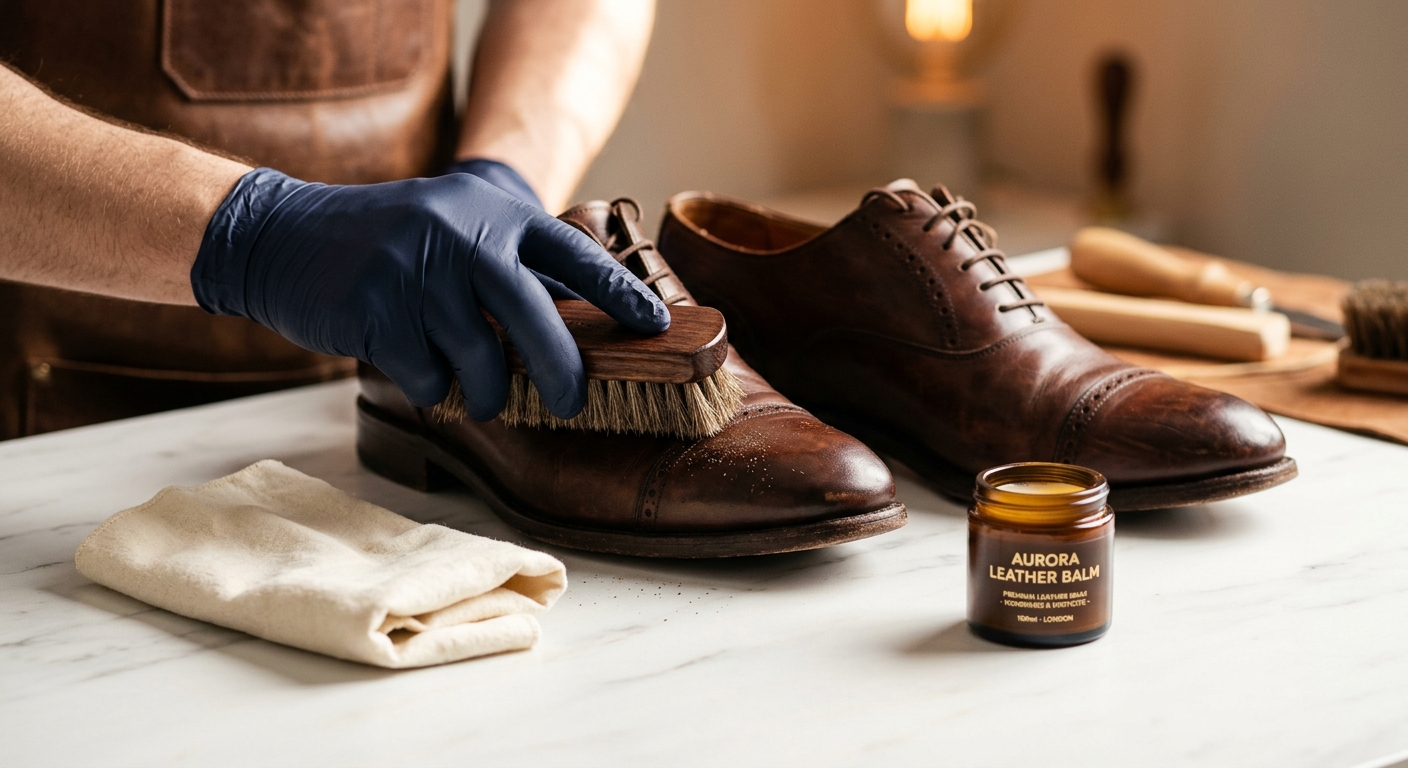
Your boots need to keep water out. Wet feet lose heat 25 times faster than dry feet. Apply a waterproofing treatment before winter starts and reapply monthly.
Winter Foot Care Habits
Dry Your Boots Every Night
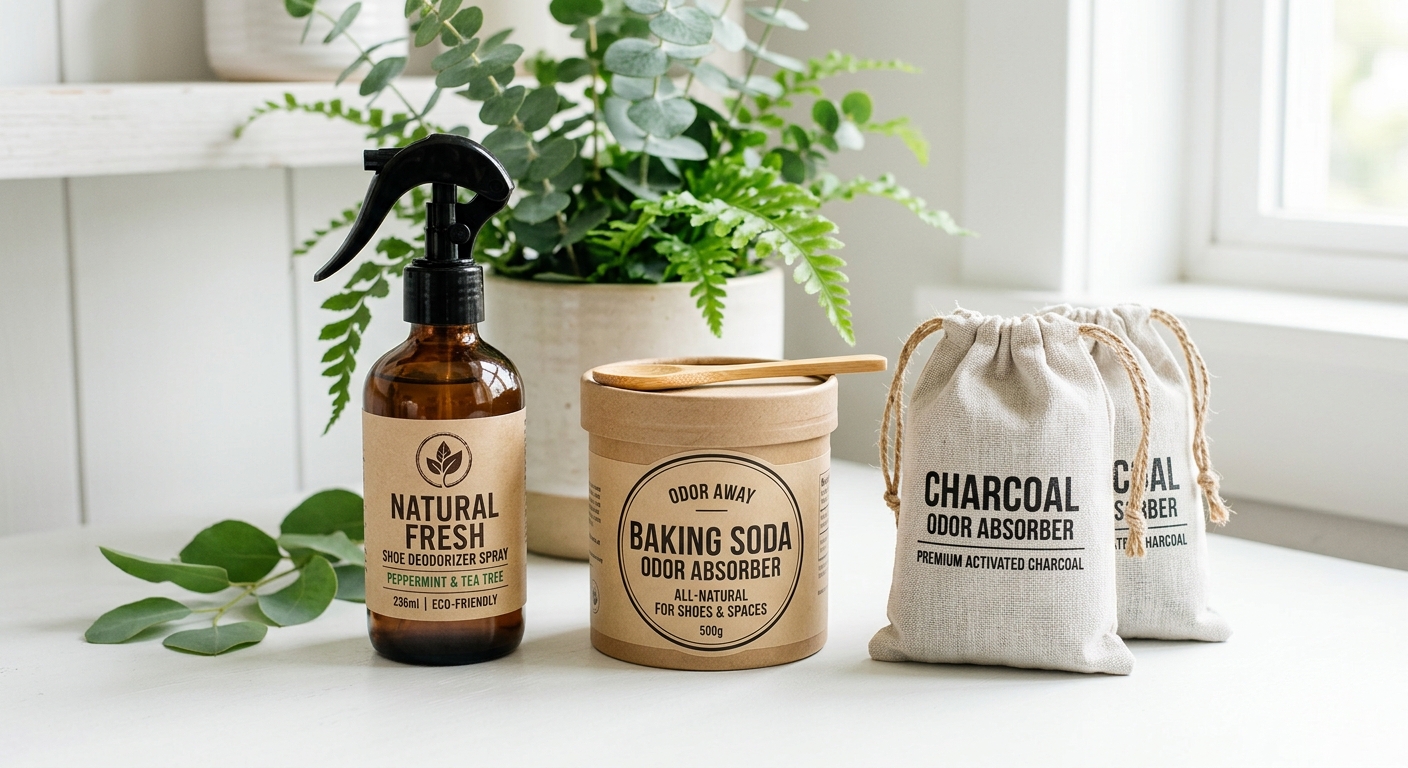
Moisture accumulates inside boots from sweat and external exposure. Remove the insoles and stuff boots with newspaper overnight to absorb moisture. Never place boots directly on a heater — this cracks leather and damages adhesives.
Rotate Your Footwear
Give boots 24 hours to fully dry between wears. If you wear the same pair every day, they never fully dry out, leading to odor and reduced insulation.
Keep Toenails Trimmed
Long toenails push against socks and boots, creating pressure points that restrict circulation. In winter, when feet are already vulnerable to cold, this can accelerate numbness.
Moisturize Daily
Cold air and indoor heating dry out skin. Apply a foot cream before bed to prevent cracking, which can let cold air directly against the skin.
Signs You Need Better Winter Footwear
- Your feet are cold within 30 minutes of going outside
- You feel numbness or tingling in your toes
- Your socks are damp when you take off your boots
- You get blisters or chafing that you don't get in warmer months
If any of these sound familiar, it's time to upgrade your winter foot care. Heated insoles, proper layering, and waterproof boots will transform your winter experience from enduring to enjoying.