Nothing ruins a good pair of shoes faster than water damage. Leather cracks, suede stains, and fabric weakens when exposed to moisture. The solution is waterproofing — but doing it wrong can be as bad as not doing it at all. Here's how to protect your footwear properly.
Why Waterproofing Matters
Water doesn't just make shoes uncomfortable to wear. It causes real damage:
- Leather — Water strips natural oils, leading to stiffness and cracking as the leather dries.
- Suede and nubuck — Water leaves permanent water stains that are nearly impossible to remove.
- Canvas and fabric — Moisture weakens fibers and promotes mold growth.
- Adhesives — Repeated water exposure breaks down the glue holding your shoes together.
Types of Waterproofing Products
Synthetic Polymer Sprays
Polymer-based waterproofing creates an invisible barrier on the shoe's surface. Water beads up and rolls off without penetrating. These sprays work on all materials — leather, suede, fabric, and synthetics. They're the most versatile option and don't change the appearance or breathability of the material.
Wax-Based Treatments
Wax waterproofing is the traditional choice for leather boots. It penetrates the leather, providing deep protection that lasts months. The trade-off is that wax can darken leather slightly and reduce breathability. It's ideal for work boots and outdoor footwear where maximum protection matters more than appearance.
Silicone Sprays
Silicone sprays are budget-friendly and easy to apply. They work well on fabric and synthetic materials but can leave a slight sheen on leather. For best results, use silicone on athletic shoes and canvas sneakers.
How to Apply Waterproofing Spray
- Clean your shoes first — Dirt and oil prevent the waterproofing from bonding properly.
- Ensure shoes are completely dry — moisture trapped under the treatment can cause mold.
- Hold the spray 6–8 inches away — apply in a light, even coat.
- Cover the entire surface — don't forget seams and stitching, which are vulnerable entry points.
- Let it dry for 24 hours — full curing takes time. Don't rush it.
- Apply a second coat — two light coats are better than one heavy coat.
Test any waterproofing product on a small, hidden area first. Some products can darken suede or alter the finish of certain leathers.
How Often to Reapply
Waterproofing isn't permanent. How often you need to reapply depends on use:
- Daily wear — Reapply every 4–6 weeks
- Occasional wear — Reapply every 3–4 months
- After heavy rain or cleaning — Reapply immediately
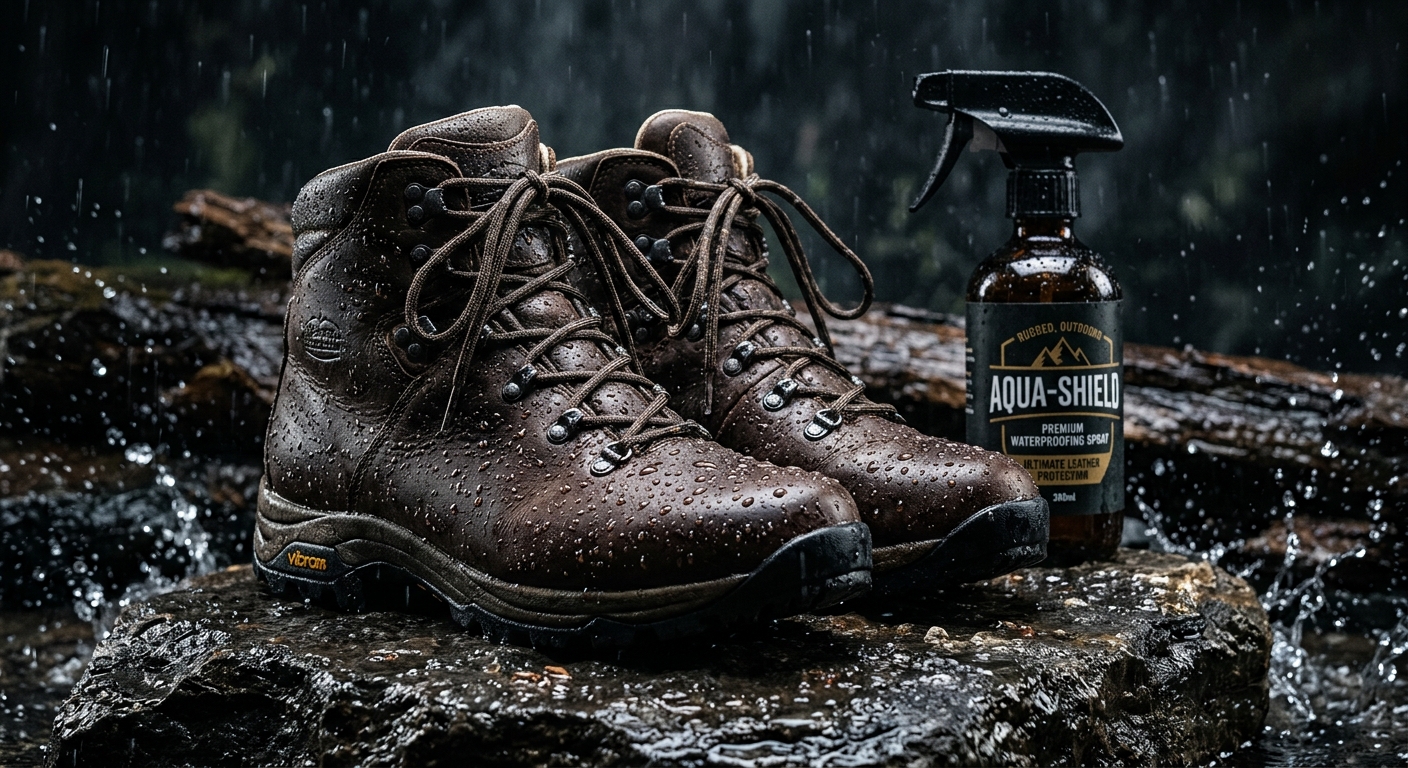
A simple test: sprinkle a few drops of water on your shoes. If the water beads up and rolls off, the waterproofing is still effective. If it soaks in, it's time to reapply.
Waterproofing Different Materials
Leather
Clean, condition, then apply a polymer spray or wax treatment. For dress shoes, use spray to maintain appearance. For boots, wax provides deeper protection.
Suede and Nubuck
Use only spray treatments — wax will ruin suede's texture. Apply polymer spray in two light coats. Brush the suede gently after drying to restore the nap.
Canvas and Fabric
Silicone or polymer spray works best. Apply generously, as fabric is the most porous material and absorbs water quickly.
With proper waterproofing, your shoes will survive rain, snow, and puddles without damage. It's a 10-minute investment that adds years to the life of your footwear.