You spend good money on your shoes, then throw them in a closet at the end of the day. That's like parking a luxury car in a sandstorm. How you store your shoes directly impacts how long they last and how good they look. Here's what proper shoe storage looks like.
Why Storage Matters
Shoes face three enemies in storage: moisture, deformation, and dust. Without proper storage:
- Moisture from sweat gets trapped inside, leading to odor and material breakdown.
- Without support, shoes develop creases, sag at the heel, and lose their shape.
- Dust accumulation dries out leather and discolors suede over time.
The Essential Tool: Shoe Trees
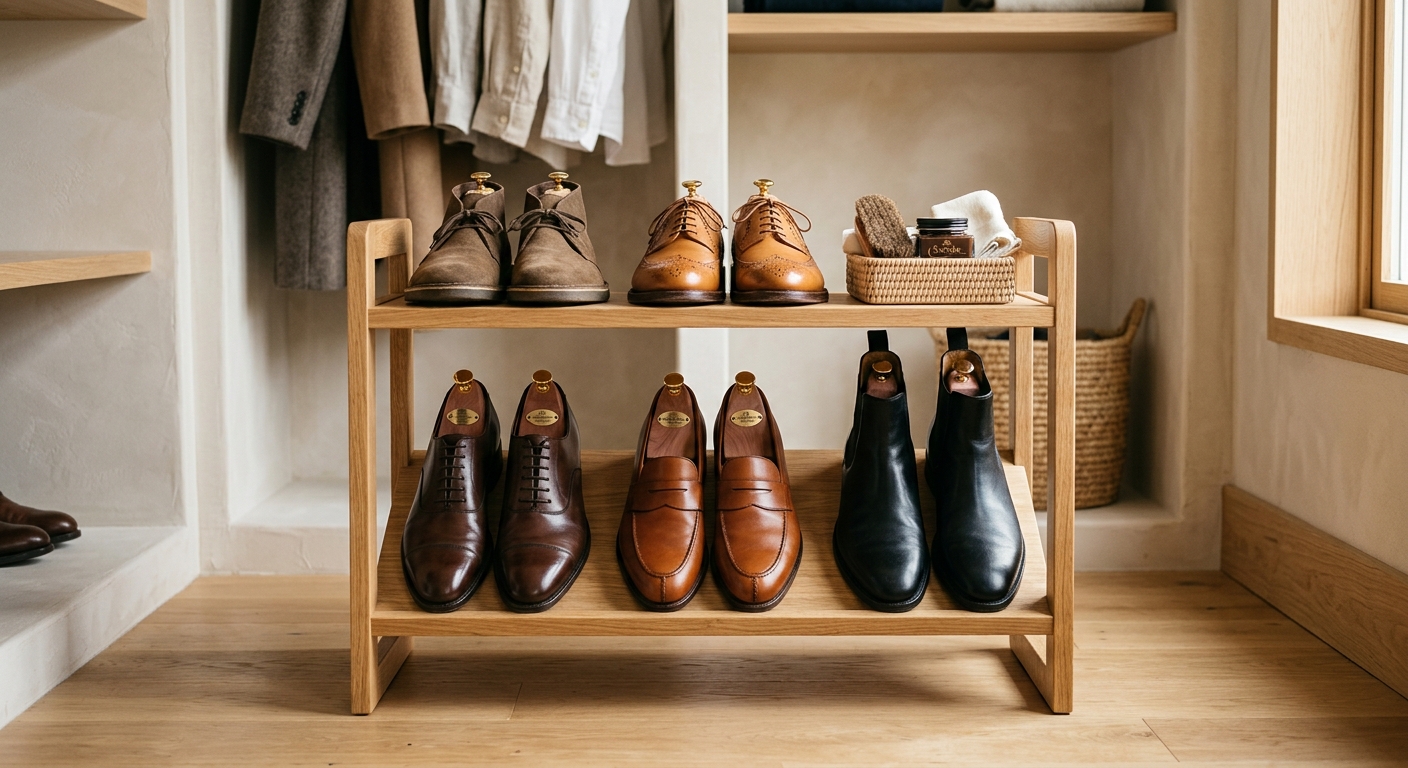
Shoe trees are the single most important storage investment you can make. Insert them immediately after wearing your shoes — while the leather is still warm and pliable. They:
- Absorb moisture from the interior
- Maintain the shoe's shape, preventing creases
- Smooth out existing wrinkles in the leather
- Deodorize naturally (cedar shoe trees)
Cedar shoe trees are the gold standard. The wood absorbs moisture, releases a fresh scent, and naturally repels insects. Plastic shoe trees maintain shape but don't absorb moisture — use them only for shoes you wear occasionally.
Storage Environment
Where you store your shoes matters:
Temperature
Avoid extreme temperatures. Hot attics and cold garages both damage shoe materials. Aim for room temperature (60–75°F) storage.
Humidity
High humidity promotes mold and mildew. Low humidity dries out leather. Aim for 40–50% relative humidity. A dehumidifier in your closet helps in humid climates.
Light Exposure
Direct sunlight fades leather and degrades rubber soles. Store shoes in a dark or shaded area. If using clear storage boxes, keep them away from windows.
Storage Methods Compared
Original Boxes
Good for seasonal storage. Keep shoes in their boxes with shoe trees inserted. Label the boxes for easy identification. The downside is they take up significant space.
Shoe Racks
Ideal for everyday shoes. Open racks allow air circulation, which helps shoes dry between wears. Choose racks with enough height between shelves so shoes aren't crushed.
Clear Storage Boxes
Stackable and dust-free. Great for dress shoes and seasonal footwear. Ensure shoes are completely dry before boxing to prevent mold.
Hanging Organizers
Space-efficient but can deform shoes if they're packed too tightly. Best for soft shoes like sneakers and casual footwear.
Never stack shoes on top of each other without separation. The sole of one shoe will mark and deform the upper of the shoe below it.
Rotation: The 24-Hour Rule
Shoes need at least 24 hours to fully dry after a day of wear. Wearing the same pair two days in a row traps moisture and accelerates material breakdown. Build a rotation of at least 3–4 pairs so each shoe gets adequate rest between wears.
Pre-Storage Checklist
Before putting shoes away for the season:
- Clean them thoroughly — remove all dirt and stains.
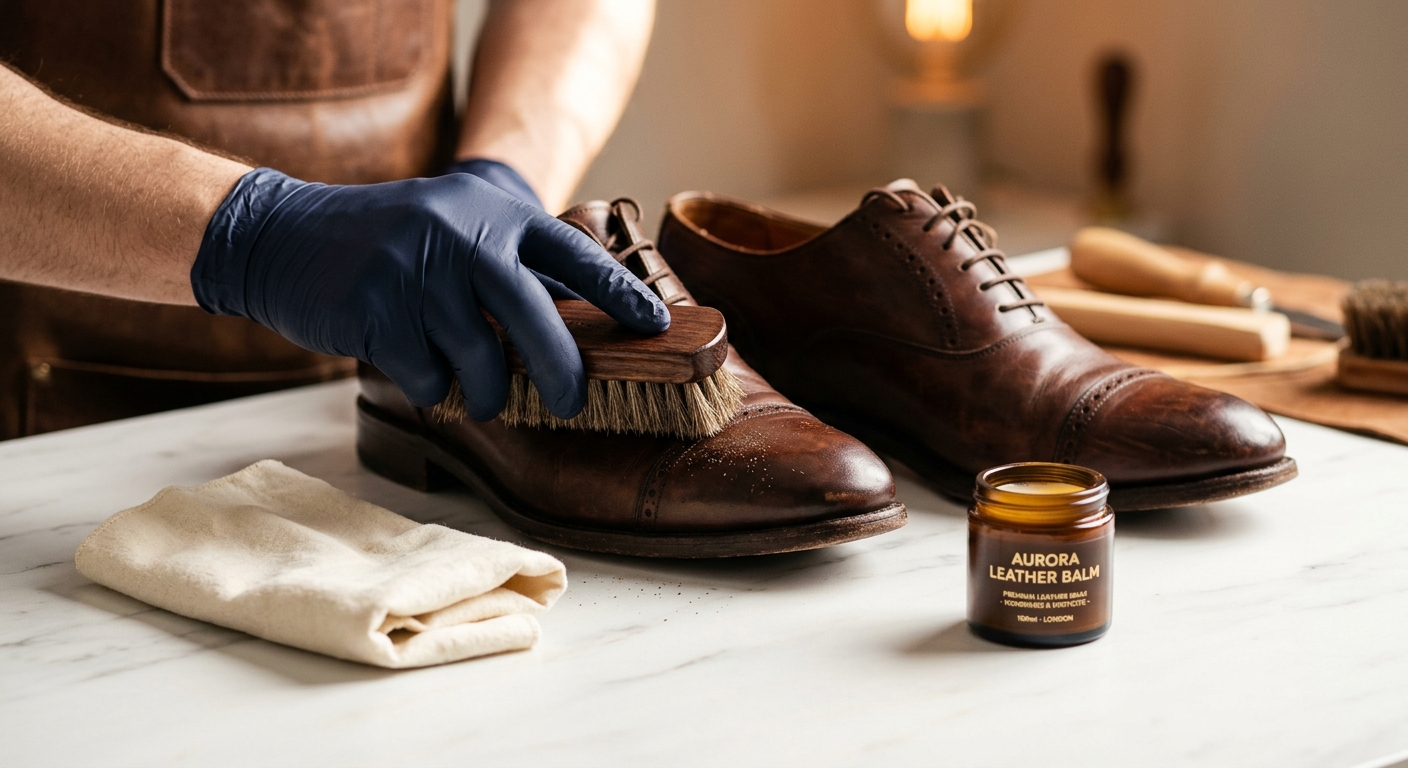
- Condition leather to prevent drying during storage.
- Insert shoe trees or stuff with acid-free tissue paper.
- Place in a breathable storage bag or original box.
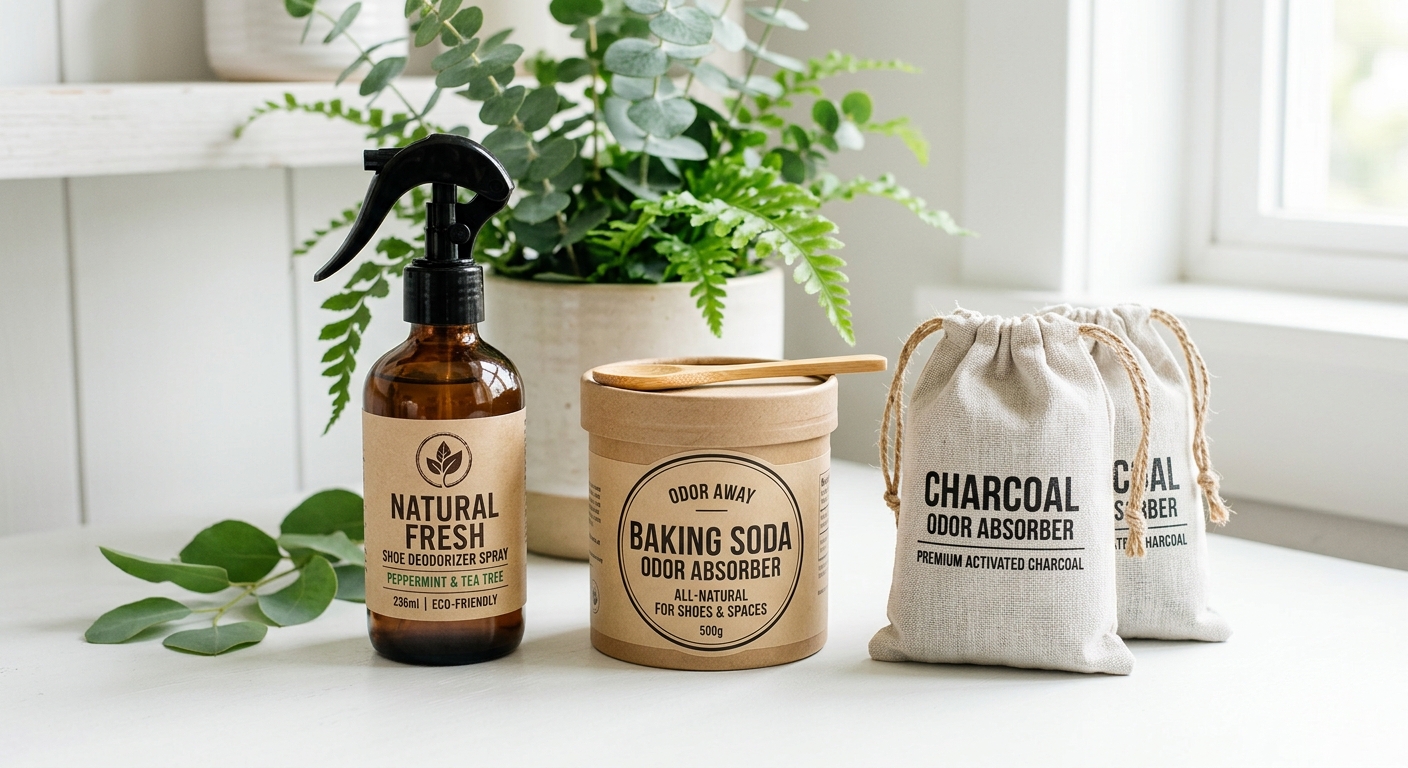
- Add a moisture absorber (charcoal or silica gel) in the box.
Proper shoe storage isn't complicated, but it requires consistency. Insert shoe trees after every wear, rotate your footwear, and store in a climate-controlled environment. These simple habits can add years to the life of your shoes.